Graphic Design Courses Near Me
Finding graphic design courses often means looking at local colleges, community centers, or online platforms. The best course for you depends on your goals, whether you’re a beginner wanting to learn basics or an experienced person wanting advanced skills. Consider the subjects taught, the teachers’ experience, and the cost to make a good choice.
Understanding Graphic Design Education
Graphic design is a creative field. It’s about how things look. This includes how words and pictures work together. Good design helps people understand things easily. It also makes them feel a certain way. Think about logos, websites, and posters. All of these use graphic design.
What is Graphic Design?
Graphic design is the art of communication. It uses visual elements. These elements are images, colors, and typography. The goal is to convey a message. This message can be for a business or an idea. It’s used in many places. Advertisements, magazines, and book covers are examples.
Why Learn Graphic Design?
Learning graphic design opens many doors. You can work for companies. You can also work for yourself. Many jobs need designers. Marketing, web development, and publishing are common fields. Even if you don’t want to be a full-time designer, knowing design helps. It makes your own projects look better. Your presentations will stand out more.
What Makes a Good Design Course?
A good course teaches you the skills you need. It should cover design software. Programs like Adobe Photoshop and Illustrator are important. It should also teach design principles. This includes color theory and layout. The teachers should have real experience. They should know what works in the design world.
My Own Journey into Design Learning
I remember feeling lost when I first wanted to learn graphic design. I saw amazing work online. I wanted to create things like that. But I didn’t know where to begin. I looked at big universities. Their programs were long and expensive. Then I found a local community college. They had a beginner’s design class. It was just one night a week. I signed up. The first class was about understanding layout. I learned how to balance elements on a page. It wasn’t as hard as I thought. The teacher showed us simple examples. He used movie posters. He explained why some posters grabbed our eye. I felt a spark. This was something I could learn. It wasn’t just magic. It was skill. That first class made me feel hopeful. I realized that finding the right learning path was key.
Finding Your First Design Course
When starting out, look for introductory courses. These often cover:
- Basic design principles (layout, color, typography).
- Introduction to design software (like Adobe Photoshop or Illustrator).
- Understanding design projects and briefs.
Many local community colleges and art centers offer these. Online platforms also have beginner options.
Exploring Different Learning Options
There are many ways to learn graphic design. The best way for you depends on your needs. Think about what you want to achieve. Do you need a formal degree? Or are you looking for quick skills?
Local Colleges and Universities
These offer structured programs. You can get an associate’s or bachelor’s degree. This is great for a career change. It provides a deep understanding. You also get a recognized credential. These programs can be time-consuming and costly. They often have strict admission rules.
Community Colleges and Technical Schools
These are often more affordable. They offer certificates or associate degrees. The courses are usually shorter. They focus on practical skills. This is good for learning specific software. It’s also good for getting job-ready quickly.
Online Courses and Platforms
Websites like Coursera, Udemy, and Skillshare offer many design courses. You can learn at your own pace. They cover specific topics or full programs. This is very flexible. It’s also often cheaper than in-person classes. You need to be self-motivated. Some people find it hard to stay on track.
Workshops and Bootcamps
These are intensive, short programs. They focus on specific skills. For example, a bootcamp might teach you web design. Or it might focus on branding. They are fast-paced. They aim to get you job-ready quickly. They can be expensive.
Online vs. In-Person Learning
Online:
- Flexibility: Learn anytime, anywhere.
- Cost: Often more affordable.
- Variety: Huge range of topics.
- Self-discipline needed.
In-Person:
- Structure: Set schedule and deadlines.
- Interaction: Direct feedback from instructors and peers.
- Networking: Build connections locally.
- Less flexible.
What to Look for in a Graphic Design Program
When you find a potential course, check a few things. You want to make sure it’s worth your time and money.
Curriculum and Course Content
Does the program cover what you want to learn? Look for courses on design theory. Also check for software training. Good programs will teach you the “why” behind design. They also teach you the “how” of using tools.
Instructor Experience
Who is teaching the class? Do they have industry experience? A designer who has worked on real projects is valuable. They can share practical insights. They know what clients expect.
Software Training
Most design jobs use industry-standard software. This includes Adobe Creative Suite. Make sure the course teaches these tools. Knowing Photoshop, Illustrator, and InDesign is crucial.
Portfolio Development
A strong portfolio is key for designers. Does the course help you build one? Do they give you projects? Do they offer feedback on your work? Your portfolio shows your skills.
Cost and Time Commitment
What is the tuition? How long is the program? Does it fit your budget? Can you commit the time needed? Balance the cost with the value you expect to receive.
Accreditation and Reputation
Is the school or platform reputable? Are their degrees or certificates recognized? Check reviews. Ask for opinions from people in the field.
Key Skills Taught in Design Courses
| Skill Area | Description |
| Visual Hierarchy | Guiding the viewer’s eye through content. |
| Color Theory | Using colors effectively to evoke emotion and meaning. |
| Typography | Choosing and arranging fonts for readability and impact. |
| Layout and Composition | Arranging elements on a page or screen. |
| Branding | Creating a visual identity for a company or product. |
| Software Proficiency | Mastering tools like Photoshop, Illustrator, InDesign. |
Real-World Scenarios for Graphic Designers
Graphic design is applied in so many ways. Understanding these helps you see the value.
Marketing Materials
Companies need flyers, brochures, and social media graphics. A designer creates these to attract customers. They use bright colors and clear messages. The goal is to make people take action.
Website Design
Websites need to look good and be easy to use. Designers decide on the layout. They choose the colors and fonts. They make sure the user has a good experience. This is often called UI/UX design.
Branding and Logos
Every company needs a logo. This is the face of the business. Designers create logos. They also develop brand guides. These guides explain how to use colors and fonts. This keeps the brand consistent everywhere.
Packaging Design
Products on shelves need attractive packaging. Designers make boxes and labels. The design needs to stand out. It should also tell the customer what the product is.
Publication Design
Magazines and books need skilled designers. They arrange text and images. They make sure the pages are easy to read. They follow specific styles.
A Day in the Life of a Designer (Story)
Imagine a designer named Alex. Alex works for a small marketing agency. Today, Alex is working on a new client’s website banner.
The client sells handmade soaps. Alex needs to create a banner that feels natural and clean. Alex starts by sketching ideas.
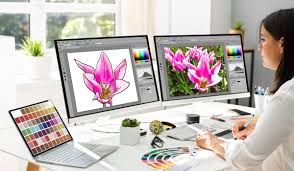
Then, Alex opens Adobe Photoshop. Alex chooses soft green and cream colors. Alex finds a nice font for the text.
It needs to be readable. Alex adds a picture of a gentle flower. Alex tries different layouts.
The goal is to make it inviting. Alex gets feedback from the team. They suggest making the text a bit bigger.
Alex adjusts it. Alex is happy with the final design. It shows the client’s brand well.
What This Means for You
Knowing where to find design courses is just the start. The real value is in how you use that knowledge.
Setting Realistic Goals
You won’t become an expert overnight. Learning graphic design takes time. Set small, achievable goals. Maybe learn one software tool first. Then move to design principles. Celebrate your progress.
Building a Portfolio
As you learn, create projects. Even if they are for practice. Make up fictional clients. This builds your portfolio. It shows potential employers what you can do.
Networking with Other Designers
Connect with other students. Join online design groups. Attend local meetups if possible. Learning from others is powerful. You can get advice and support.
Continuing Education
The design world changes fast. New software and trends appear often. Keep learning. Take advanced courses. Follow design blogs. Stay curious.
Is This Normal? Design Project Stages
Most design projects follow a path. Understanding this helps you know what to expect from a course.
1. Briefing: Understanding the client’s needs.
2. Research: Looking at similar designs and target audiences.
3. Concepting: Sketching and brainstorming ideas.
4. Design: Creating the actual visuals using software.
5. Feedback: Getting input from clients or instructors.
6. Revisions: Making changes based on feedback.
7. Finalization: Preparing files for use.
Finding Courses in Specific Locations
While this guide is general, let’s think about finding courses near you.
Search Engines
Use terms like “graphic design classes “. Or “art school near me”. Google Maps is also helpful. It shows local businesses and schools.
Community Boards and Centers
Check local libraries. Look at community centers. They often list local adult education classes. This is a good way to find affordable options.
Professional Organizations
Some cities have local chapters of design organizations. They might know about training opportunities. A quick search for ” AIGA” can help.
University Extension Programs
Many universities have extension schools. These offer courses to the public. They might not require full admission. This can be a way to access good instructors.
Quick Scan: When to Choose a Specific Course Type
For a full career change: Consider a degree program at a college.
For new skills quickly: Look at bootcamps or intensive workshops.
For flexible learning: Online courses are a great choice.
For community and local focus: Check community colleges and art centers.
Frequent Questions About Design Courses
How much do graphic design courses cost?
Costs vary a lot. Online courses can start from $20-$50 for short ones. More in-depth online programs might be a few hundred dollars.
Certificates at community colleges could be $1,000-$5,000. A full bachelor’s degree can cost tens of thousands of dollars. Look for value, not just the lowest price.
Do I need a degree to be a graphic designer?
Not always. Many designers are self-taught or learn through bootcamps. A strong portfolio and practical skills are often more important.
However, a degree can help you get certain jobs. It shows commitment and a broad understanding.
What’s the difference between graphic design and web design?
Graphic design is broader. It covers print and digital media. Web design focuses specifically on websites.
It includes layout, user experience (UX), and user interface (UI). They often overlap, and many designers do both.
How long does it take to learn graphic design?
It depends on your goals. Basic skills can be learned in a few weeks or months. Becoming proficient takes years of practice.
A certificate program might be 6 months to 2 years. A bachelor’s degree is typically 4 years. Continuous learning is key throughout your career.
What software is essential for graphic design?
The Adobe Creative Suite is standard. Key programs include Adobe Photoshop for image editing, Adobe Illustrator for vector graphics, and Adobe InDesign for page layout. Knowing Figma or Sketch is also helpful for UI/UX design.
Can I learn graphic design from free online resources?
Yes, you can learn a lot for free! YouTube has countless tutorials. Many design blogs offer tips.
Websites like Canva have free design tools. Free courses can teach you basics. However, structured courses often provide a clearer path and more comprehensive learning.
Final Thoughts on Your Design Education
Finding graphic design courses is an exciting step. It’s about investing in your creativity. Whether you choose a local school or an online platform, the key is to start. Look for programs that teach both theory and practice. Build your skills with every project. Your journey into the visual world of design starts now. Enjoy the process of learning and creating!

Related Posts

Tech Career Coaching Services Near Me
Project Management (Pmp) Prep Classes