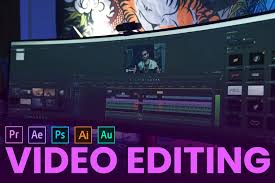
Video Editing Certification Course Near Me
Video editing certification courses near you can provide structured learning, hands-on practice, and industry-recognized credentials. These programs help you master editing software, understand storytelling, and prepare for jobs in film, TV, marketing, and more. Research local schools, online options, and certificate levels to find the best fit for your goals.
What is Video Editing Certification?
Video editing certification is like getting a special stamp of approval. It means you’ve learned the skills needed to edit videos well. You use special computer programs for this.
Think of it as learning to be a visual storyteller. You take raw video clips and make them into a finished film or clip. This involves cutting, arranging, and adding effects.
Certification shows you know how to use the tools. It also shows you understand how to make a video flow. It tells employers you have real skills.
Why is this important? Well, video is everywhere today. From movies to social media, good editing makes a difference.
A certified editor knows how to make a video exciting. They can make it clear and easy to watch. They can tell a story just with the pictures and sounds.
Many companies need these skills. They want people who can make their marketing videos pop. Or they need someone to edit their latest movie.
A certificate helps prove you can do the job.
These courses teach you specific software. Popular ones include Adobe Premiere Pro and Final Cut Pro. You also learn editing theory.
This covers things like pacing, rhythm, and sound design. It’s not just about pushing buttons. It’s about understanding how to make an audience feel something.
You learn about different types of video projects. This can include short films, commercials, or online content.
My Own Journey into Video Editing
I remember sitting in my small apartment. The glow of my computer screen was the only light. I had a pile of video clips from a friend’s wedding.
My friend asked if I could put them together as a surprise. I said yes, thinking it would be easy. I’d seen videos before!
What I didn’t realize was how much goes into making them look good. I had no idea about editing software. I just had a basic program on my computer.
It was a mess.
The first few hours were pure frustration. Clips didn’t line up. The audio was all over the place.
I kept saving and losing my work. I felt a knot of panic in my stomach. My friend was counting on me.
I started searching online for “how to edit wedding videos.” I found a lot of videos. Many were confusing. They used terms I didn’t know.
I was trying to learn on the fly. It felt like I was trying to build a house without tools. I almost gave up that night.
But then I found a tutorial for a specific software. It was like a light switch flipped. It showed me step-by-step.
Slowly, the chaos started to make sense. I learned to cut and trim. I learned to put music in.
By the end of the week, I had a video I was proud of. It wasn’t perfect, but it told the story. That experience made me want to learn more.
I wanted to do it right.
Key Skills You’ll Learn in Certification
Software Proficiency: Mastering tools like Adobe Premiere Pro, Final Cut Pro, DaVinci Resolve.
Storytelling Basics: Understanding how to structure a narrative for video.
Pacing and Rhythm: Controlling the flow and timing of shots.
Color Correction: Adjusting colors to create a specific mood or look.
Audio Editing: Cleaning up sound, adding music, and balancing levels.
Effects and Graphics: Adding titles, transitions, and visual effects.
Finding the Right Video Editing Certification Near You
So, you want to find a course. Where do you look? Start with places you know.
Community colleges are often great spots. They offer certificate programs. These are usually affordable.
They also have experienced instructors. Local technical schools are another good option. They focus on hands-on skills.
They often have connections to local businesses.
What about private film schools? They can offer excellent, in-depth training. But they might be more expensive.
They also might be more competitive. Think about your budget and your time. Some programs are short, like a few months.
Others can take a year or more. Consider what you can commit to.
Don’t forget online options. Many top schools and platforms offer video editing certifications online. This can be super flexible.
You can study from your home. You can often go at your own pace. However, with online courses, make sure they have good support.
Look for chances to get feedback. See if there are virtual labs or live sessions.
When you look at a program, check out the curriculum. Does it cover the software you’re interested in? Does it teach editing theory?
Are there projects you’ll work on? You want a program that gives you practice. Real projects are key to learning.
Choosing Your Certification Path
Level of Study: Basic, intermediate, or advanced skills?
Software Focus: Do you want to learn Premiere Pro, Final Cut Pro, or DaVinci Resolve?
Program Length: Short intensive courses or longer, more comprehensive programs?
Cost: What is your budget for tuition and materials?
Instructor Experience: Do instructors have real-world editing experience?
Career Services: Does the program help with job placement or portfolio building?
What to Expect from a Video Editing Course
When you sign up for a certification course, expect to work hard. It’s not just lectures. You’ll spend a lot of time at a computer.
You’ll learn the basics of editing software first. This means understanding the interface. You’ll learn how to import footage.
You’ll learn to cut clips and put them in order. You’ll learn about timelines and tracks.
Then you’ll move on to more complex tasks. Color grading is a big one. This is about making your video look a certain way.
It can be dark and moody, or bright and happy. Audio mixing is also crucial. Bad sound can ruin a great video.
You’ll learn how to balance voiceovers with music. You’ll learn to remove background noise.
Most courses will have you work on projects. These are your chance to try out new skills. You might edit a short commercial.
Or you might edit a scene from a movie. You’ll get feedback from your instructor. This feedback is gold.
It helps you see where you can improve. It shows you what you’re doing well.
You’ll also learn about different video formats. You’ll learn how to export your finished video. This means saving it in a way that works for different platforms.
Like for YouTube, or for TV. The goal is to make you job-ready. You should leave the course feeling confident.
You should feel like you can start editing professionally.
A Typical Week in an Editing Course
Monday: Learn a new software tool or editing concept.
Tuesday: Practice the new skill with guided exercises.
Wednesday: Work on a personal project or group assignment.
Thursday: Get feedback on your work and revise.
Friday: Review the week’s learning and prepare for next week.
Hands-On Experience is Key
I remember talking to a graduate from a local film program. They told me something important. They said, “You can watch a million tutorials.
But until you press the buttons yourself, you don’t really know.” They were so right. Watching someone else edit is helpful. But actually doing it is how you learn.
It’s how you build muscle memory.
In a good certification course, you’ll get tons of hands-on practice. They’ll give you footage to work with. You’ll have assignments that make you use specific tools.
You might spend hours just trying to get a transition smooth. Or you might spend a whole day fixing audio. That’s normal.
It’s part of the process. These challenges build your problem-solving skills. They also build your patience.
A big part of learning is making mistakes. When I was first learning, I’d mess up a clip. I’d have to go back and find it.
I’d have to fix it. Sometimes it was annoying. But each time I fixed something, I learned how it worked.
I learned how to avoid that mistake next time. This hands-on approach is what makes certification valuable. It’s not just theory.
It’s practical skill-building. You’re actively creating.
Quick Scan: What Makes a Course Great?
| Good Instructor: Real-world experience. |
| Good Curriculum: Covers software and theory. |
| Good Practice: Lots of assignments and projects. |
| Good Feedback: Constructive criticism. |
| Good Tools: Access to updated software. |
Understanding Different Types of Certification
Not all certifications are the same. Some are from software companies. Adobe offers certifications for Premiere Pro.
Apple offers them for Final Cut Pro. These prove you know their specific software. They are very respected.
Other certifications come from schools. These can be more general. They might cover a range of skills.
Or they might focus on a specific area. Like documentary editing, or commercial editing. These often include a broader understanding of filmmaking.
They can include storytelling and project management.
There are also industry-recognized certifications. Organizations might offer these. They show you meet certain professional standards.
It’s good to look at what kind of certification it is. Does it match what you want to do? If you want to work in a big studio, software certifications might be key.
If you want to freelance, a broader school-based certification could be better.
When you look at courses, see what they advertise. Do they mention specific software? Do they talk about industry standards?
This can give you a clue about what the certification means. It helps you understand its value for your career goals.
Certification Styles
Software-Specific: Proves mastery of tools like Premiere Pro.
School-Based: Offers broader training from an educational institution.
Industry-Standard: Meets professional benchmarks set by an organization.
Specialty: Focuses on niche areas like animation or motion graphics.
Real-World Contexts for Video Editors
Where do video editors actually work? It’s a wide field. Many work in film and television.
They edit movies, TV shows, and commercials. This often involves working with directors and producers. It’s a collaborative environment.
Deadlines can be very tight.
The internet has created huge demand. Many editors work in online content creation. This includes YouTubers, podcasters, and social media managers.
They create videos for websites and apps. They need to understand how to make content engaging for online audiences. This means shorter forms, quicker cuts, and dynamic visuals.
Marketing and advertising agencies are big employers too. They need editors to create ads. They also need them for explainer videos and corporate presentations.
Businesses use video more and more. They want to show their products and services. They want to connect with customers.
Other areas include event videography. This could be weddings, conferences, or concerts. Each of these requires a slightly different approach.
Wedding videos need to capture emotion. Conference videos need to be clear and informative. Each type of project uses the same core editing skills but in different ways.
Common Editing Environments
Film Studios: Feature films, documentaries.
Television Networks: News, dramas, reality shows.
Advertising Agencies: Commercials, online ads.
Digital Media Companies: YouTube channels, social media content.
Corporate Offices: Internal training videos, marketing materials.
Event Companies: Weddings, corporate events, concerts.
When is Certification Enough?
A certification is a great start. It shows you have learned important skills. It can help you get your foot in the door.
Many employers look for this. It tells them you’ve been trained. It means you understand the basics.
However, it’s not always the only thing needed. Especially in creative fields like video editing. Your portfolio is also very important.
This is a collection of your best work. It shows what you can actually do. A certification plus a strong portfolio is a winning combination.
It tells employers you have both the training and the talent.
Sometimes, experience matters more than a certificate. If you can show you’ve worked on projects, even unpaid ones, it counts. Building a network is also key.
Knowing people in the industry can lead to opportunities. Courses often help with this. They connect you with instructors and other students.
Think of certification as a tool. It’s one piece of the puzzle. It makes you a more attractive candidate.
But you still need to keep learning. The technology changes fast. You need to stay up-to-date.
You need to keep building your skills and your portfolio.
Certification vs. Experience
Certification: Pro: Formal training, industry recognized. Con: May not reflect real-world speed or specific job needs.
Experience: Pro: Proven ability, problem-solving skills. Con: May lack formal training in best practices or new tech.
Portfolio: Pro: Direct showcase of skills. Con: Requires projects to build. Best when paired with certification or experience.
Quick Fixes and Tips for Aspiring Editors
If you’re thinking about getting certified, here are a few tips. First, do your research. Look at several programs.
Compare their costs and what they teach. Read reviews if you can find them.
Second, think about your career goals. Do you want to edit movies? Or do you want to make YouTube videos?
This will help you choose the right focus for your training. Some courses are better for certain paths.
Third, practice, practice, practice. Even before you start a course, try editing. Download free software.
Use footage from your phone. The more you do it, the faster you’ll learn. This will make your certification course much easier.
Fourth, be patient with yourself. Video editing can be complex. There’s a learning curve.
Don’t get discouraged if things are tough at first. Keep at it. You’ll get better with time and effort.
Small steps lead to big progress.
Tips for Success
- Research thoroughly.
- Define your goals.
- Practice consistently.
- Be patient and persistent.
- Build a portfolio early.
- Network with other creatives.
Frequently Asked Questions About Video Editing Certification
Is video editing certification worth the cost?
Yes, for many people, video editing certification is worth the cost. It provides structured learning, industry-relevant skills, and a credential that can boost your resume. It often leads to better job opportunities and higher starting salaries than going without training.
The investment can pay off quickly if you are serious about a career in editing.
How long does it take to get a video editing certificate?
The length of video editing certificate programs varies. Some are intensive bootcamps that last a few weeks. Others are longer, spread over several months or even a year.
Community college programs might align with their semester schedules. Online courses often offer more flexibility in pace.
What is the difference between a certificate and a degree in video editing?
A certificate is typically a shorter program focused on specific job skills, like mastering editing software and techniques. A degree (like an Associate’s or Bachelor’s) is a longer, more comprehensive academic program. Degrees often cover broader subjects like film theory, storytelling, and media production.
Certificates are more career-focused and quicker to complete.
Do I need my own computer and software to take a course?
Many in-person courses provide access to computers and software on-site. However, it’s always best to check with the specific institution. For online courses, you will almost always need your own reliable computer.
The course provider will specify the minimum system requirements for the editing software.
What is the most popular video editing software to learn?
The most popular video editing software to learn often depends on the industry. Adobe Premiere Pro is widely used in broadcast, film, and online content creation. Final Cut Pro is popular among Mac users, especially for independent filmmakers and content creators.
DaVinci Resolve is gaining a lot of traction due to its powerful color correction tools and free version.
Can I get a job as a video editor with just a certificate?
Yes, you can often get an entry-level job as a video editor with just a certificate, especially if you have a strong portfolio. The certificate proves you have the foundational skills. Employers will also look at your practical work samples to assess your creativity and technical ability.
Networking and internships can also help secure employment.
Conclusion
Finding a video editing certification course nearby is a fantastic step. It’s about gaining valuable skills. It’s about opening doors to exciting creative careers.
By understanding what to look for and what to expect, you can make a great choice. Your journey into video editing starts with this training. Good luck!

Related Posts

Tech Career Coaching Services Near Me
Project Management (Pmp) Prep Classes