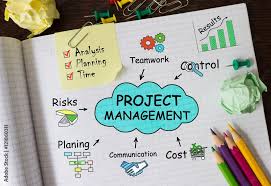
Project Management (Pmp) Prep Classes
To find PMP prep classes in , look for accredited training providers. Consider schedules, course materials, instructor experience, and pass rates. Compare costs and read reviews to ensure the class fits your learning style and budget for effective PMP exam preparation.
What Are PMP Prep Classes?
PMP prep classes are special courses. They help you get ready for the Project Management Professional (PMP) certification exam. This exam is run by the Project Management Institute (PMI).
These classes teach you all the stuff you need to know. They cover the Project Management Body of Knowledge (PMBOK) Guide. They also cover the exam content outline.
Many classes cover agile and hybrid approaches too. These are key parts of the modern exam. The goal is to make sure you feel confident.
You want to pass the exam on your first try.
Think of it like this. The PMP certification proves you know how to manage projects well. The exam tests your knowledge.
A good prep class is like a guide. It walks you through the map. It shows you the shortcuts and the tricky spots.
These classes are not just about memorizing facts. They are about understanding concepts. They teach you how to apply them in real-world project scenarios.
The exam is tough. It has many questions. They often test situational judgment.
This means you need to know why a certain action is right. You need to understand the best practice in a given project setting. Prep classes focus on building this deeper understanding.
They help you see the connections between different project management areas. They make complex ideas easier to grasp. This makes your study time more effective.
What makes these classes valuable? They often have experienced instructors. These instructors are usually PMP certified themselves.
They bring real-world project management experience. They know what works and what doesn’t. They can share stories and examples.
This makes learning more engaging. It also helps you relate the material to your own work. Many classes offer practice exams.
These are crucial for building stamina. They also help you get used to the exam format. You learn to manage your time during the test.
This is a skill that needs practice.
The PMI updates its exam content. This keeps it relevant. Prep classes stay up-to-date.
They adjust their curriculum. This ensures you study the most current topics. This is vital for passing.
The exam covers domains like People, Process, and Business Environment. Classes break these down. They explain each part clearly.
They show you how they fit together. This comprehensive approach is what you’re paying for.
Some classes offer different formats. You can find them online. You can attend them in person.
Some are self-paced. Others have live sessions. Choosing the right format depends on your learning style.
It also depends on your schedule. Finding a class in means you have options for in-person learning. This can be great for networking.
It can also help with focus. Local classes might offer more flexibility for people living in or near .
My Own PMP Prep Journey
I remember when I first decided to go for my PMP. It felt like standing at the foot of a mountain. I had managed projects for years.
I thought I knew a lot. But the PMP exam felt different. It was comprehensive.
It required a specific way of thinking. I tried studying on my own at first. I read the PMBOK Guide cover to cover.
It was dense. I kept drifting off. I felt overwhelmed by the sheer volume of information.
I was also worried about the agile aspects, which were becoming more prominent.
Then, a colleague told me about a PMP prep class in . I was hesitant. The cost seemed high.
I wondered if it would really make a difference. But I was stuck. I decided to sign up for a local weekend course.
The first day was eye-opening. The instructor, a seasoned project manager, didn’t just lecture. He told stories.
He asked us questions. He made us work through scenarios. He explained the concepts behind the PMBOK Guide.
He showed us how agile principles fit in. He broke down complex processes into simple steps.
What struck me most was the interaction. We discussed answers to practice questions. We debated best approaches.
It was a collaborative learning environment. I realized my mistake in studying alone. I was missing the human element.
I wasn’t getting feedback. I wasn’t learning from others’ experiences or mistakes. The instructor also shared personal anecdotes.
He talked about projects that went wrong and what he learned. This made the material so much more relatable. I saw that passing the PMP wasn’t just about knowing the rules.
It was about understanding the spirit of project management.
By the end of the weekend, I felt a surge of confidence. The mountain didn’t seem so insurmountable anymore. The instructor gave us a study plan.
He gave us access to practice exams. He highlighted key areas to focus on. I left the class feeling motivated and prepared.
The structured approach was exactly what I needed. It cut through the noise. It gave me a clear path forward.
It was one of the best investments I made in my career. I passed my PMP exam a few months later.
Key Benefits of a PMP Prep Class
Structured Learning: Get a clear roadmap for your studies.
Expert Guidance: Learn from experienced, certified instructors.
Up-to-Date Content: Cover the latest exam topics and PMI standards.
Practice Exams: Build stamina and test your knowledge under timed conditions.
Networking: Connect with other project managers in your area.
Accountability: A set schedule keeps you on track.
Finding PMP Prep Classes in
When you’re looking for PMP prep classes in , you’ve got a few ways to search. The most direct way is online. Use search engines with terms like “PMP certification training .” You can also look for local chapters of project management organizations.
For instance, the chapter might list approved providers. Sometimes, companies or universities offer these courses.
What should you look for in a provider? First, check their accreditation. Are they a Registered Education Provider (REP) with PMI?
This is a strong indicator of quality. REPs meet PMI’s standards for training. They ensure the course content aligns with PMI’s requirements.
This is a big trust signal.
Next, look at the instructors. Do they have real-world experience? Are they PMP certified?
Do they have good reviews? An instructor who has managed complex projects is invaluable. They can offer practical insights.
They can share stories that stick with you. Personal experience adds a lot of value to learning.
Consider the course format and schedule. Do you prefer in-person classes? Or is online learning better for you?
In-person classes in allow for direct interaction. They can be great for networking. They help you stay focused without home distractions.
Online classes offer flexibility. You can often learn at your own pace. Some offer live online sessions.
These combine flexibility with live interaction. Think about your work schedule. Are you free on weekends?
Do you need evening classes? Matching the schedule to your life is key.
What about the course materials? Do they provide study guides? Do they offer practice questions and exams?
Good materials are crucial. They should be comprehensive and up-to-date. Practice exams are essential.
They mimic the real PMP exam experience. They help you identify weak areas. They build your exam-taking confidence.
Some classes offer mobile apps for studying on the go.
Cost is another factor. PMP prep classes vary in price. They can range from a few hundred dollars to over a thousand.
Think about what you get for the money. Are the materials included? Are there retake options for the exam if you don’t pass?
Does the price include exam application assistance? Compare different options. Don’t just pick the cheapest.
Look for the best value. Consider the pass rates of students who took the class.
Read reviews and testimonials. What do past students say about the instructors? Was the course content helpful?
Did they pass their exam? Reviews offer a glimpse into the student experience. They can highlight strengths and weaknesses of a particular class.
Look for consistent positive feedback about clarity and effectiveness.
Finally, check what makes the class stand out. Do they offer post-class support? Do they have a community forum for students?
Some providers offer exam application support. This can be very helpful. The PMI application process has specific requirements.
Getting it right the first time saves a lot of hassle. Understanding all these factors will help you choose the best PMP prep class in for you.
Choosing the Right Class: A Quick Checklist
Accreditation: Is it a PMI REP?
Instructors: Experienced and PMP certified?
Format: In-person, online, live online, self-paced?
Schedule: Does it fit your availability?
Materials: Comprehensive study guides and practice exams?
Cost: Does it offer good value for money?
Reviews: What do former students say?
Support: Post-class help or application assistance?
What to Expect in a PMP Prep Class
Once you enroll in a PMP prep class, what can you expect? The main goal is to cover the exam blueprint. This blueprint is set by PMI.
It outlines the knowledge areas and skills tested. You’ll likely spend a lot of time on the three domains: People, Process, and Business Environment. These domains make up the bulk of the exam.
You’ll learn about team leadership, stakeholder engagement, and conflict resolution. These are key for the People domain.
For the Process domain, you’ll dive deep into project management methodologies. This includes predictive (waterfall), agile, and hybrid approaches. You’ll learn about planning, executing, monitoring, and closing projects.
You’ll cover areas like scope, schedule, cost, quality, and risk management. The class will explain how these processes link together. They will show you the inputs, tools, techniques, and outputs (ITTOs) for each.
The Business Environment domain focuses on how projects align with organizational strategy. You’ll explore concepts like compliance, benefits realization, and organizational change. This part of the exam connects project work to the bigger picture.
It shows how projects contribute to business goals.
A good class won’t just present information. It will use interactive methods. You might do case studies.
You might engage in group discussions. You’ll probably work through practice questions. These questions are designed to be like the real exam.
They test your understanding and application of concepts. The instructor will explain the rationale behind correct and incorrect answers. This is where a lot of learning happens.
You understand why one choice is better than another.
Many courses include full-length practice exams. These are crucial. The PMP exam is long.
It has 180 questions. It takes nearly four hours. Taking practice exams helps you build the stamina needed.
It also helps you get comfortable with the exam interface. You learn to manage your time effectively. You get a feel for the pace.
This reduces exam-day anxiety. You’ll get detailed feedback on your practice exams. This highlights areas where you need more study.
It helps you focus your efforts.
The class will also guide you on the PMI application process. This can be complex. You need to document your project experience accurately.
The instructors can offer tips. They can help you avoid common mistakes. This ensures your application is accepted smoothly.
They might also provide information on exam scheduling and policies.
Most classes provide a student handbook or study guide. This is a valuable resource. It summarizes key concepts.
It often includes diagrams and templates. Some providers give access to online learning portals. These portals might have video lectures, additional quizzes, and forums.
This extended access allows you to continue studying after the class ends. It provides support throughout your preparation journey.
What about the instructors? They are key. They are not just teachers.
They are experienced professionals. They can offer real-world advice. They can answer your specific questions.
They can share war stories. These make the learning memorable. They help you understand the nuances of project management.
They can explain why a certain answer is correct in a particular situation. This level of insight is hard to get from books alone.
Finally, expect a supportive environment. You’ll be surrounded by peers who are also working towards the PMP. You can learn from them.
You can share your struggles. This shared journey can be motivating. You’re not alone in this.
A good class fosters a sense of community. This can make the demanding study process much more manageable and even enjoyable. It’s all about preparing you thoroughly.
Inside a PMP Prep Class: What You Get
Content Mastery: In-depth coverage of People, Process, and Business Environment domains.
Methodology Focus: Deep dives into predictive, agile, and hybrid project management.
Interactive Learning: Case studies, group activities, and scenario-based questions.
Practice Exams: Full-length simulations for stamina and readiness.
ITTO Explanation: Understanding of Inputs, Tools, Techniques, and Outputs.
Application Guidance: Support for the PMI application process.
Study Resources: Handbooks, online portals, and supplementary materials.
Real-World Application and Context in
When you take a PMP prep class, especially one in , it’s not just about theory. The best classes connect the material to real-world projects. Project management happens everywhere.
In , this means managing construction projects. It means handling IT rollouts. It means organizing community events.
It means developing new products. Each of these situations requires careful planning and execution.
For example, if a new skyscraper is being built downtown in , that’s a massive project. A PMP-certified project manager would be overseeing it. They’d be managing budgets that are millions of dollars.
They’d be coordinating hundreds of workers. They’d be dealing with city permits and inspections. They’d be managing risks like weather delays or material shortages.
A good prep class will use examples like this. They’ll show you how PMP principles apply directly.
Consider the technology sector in . Many companies are developing software or new apps. These projects often use agile methods.
A prep class would explain sprints, backlog grooming, and daily stand-ups. It would show how a project manager helps a team stay focused. It would explain how to manage changing requirements.
This is common in software development. The class might use a local tech company as an example.
Even smaller projects benefit from PMP skills. Think about a local festival or a charity event in . These require managing volunteers, vendors, schedules, and budgets.
They have risks like bad weather or low turnout. A PMP mindset helps ensure these events run smoothly. It ensures goals are met within constraints.
The class might use event planning as a scenario.
The climate in can also play a role. For outdoor projects, like public works or construction, weather is a major risk factor. A PMP prep course would teach you how to plan for this.
It would cover contingency planning. It would discuss how to build weather delays into your schedule. It would explain how to manage resource allocation when work is halted.
User behavior is another important context. Why do some projects succeed while others fail? Often, it’s about managing people.
It’s about communication. It’s about stakeholder buy-in. A prep class will emphasize these “soft skills.” They are critical for project success.
For instance, getting community support for a new park in might depend on how well the project team communicates with residents. They need to understand concerns and address them. This is stakeholder management in action.
Design and materials matter too. In construction, choosing the right materials affects cost, schedule, and quality. In IT, choosing the right software platform impacts development time and long-term maintenance.
A PMP class will touch on how these technical decisions affect the overall project. They are part of the project scope and planning. Understanding these real-world links makes the knowledge more useful.
It makes it easier to pass the exam.
The modern PMP exam heavily emphasizes agile and hybrid approaches. Many companies in have adopted these. They need project managers who understand them.
A class that focuses only on traditional methods will be outdated. The best classes integrate agile concepts throughout. They show how to adapt methodologies.
They explain that project management is not one-size-fits-all. It’s about choosing the right tools for the job. This practical, adaptable approach is what employers in and everywhere are looking for.
It’s what employers in are looking for.
PMP Concepts in Action in
Construction: Managing budgets, schedules, and risks for large building projects.
Technology: Applying agile methods for software development and product launches.
Events: Coordinating volunteers, vendors, and logistics for festivals and gatherings.
Infrastructure: Planning and executing public works projects, considering local conditions.
Community Projects: Engaging stakeholders and managing resources for local initiatives.
Risk Management: Planning for local weather impacts or economic shifts.
When is a PMP Prep Class Right for You?
So, how do you know if a PMP prep class is the right step for your journey? It’s not always a necessary step for everyone. But for many, it’s a game-changer.
Think about your current knowledge. Do you have solid project management experience? This is a prerequisite for the PMP exam anyway.
You need years of experience leading projects.
If you’ve been managing projects for a while, you likely have practical experience. But have you formally studied the project management frameworks? Do you know the standardized terminology?
The PMP exam uses specific terms. A prep class will teach you these terms. It will help you understand the PMI way of thinking.
This is crucial for passing. You might know how to do something, but you need to know what PMI calls it and why it’s done that way.
Consider your learning style. Are you someone who thrives with structure? Do you benefit from direct instruction and guided practice?
If so, a class is probably a good fit. Trying to learn solely from books can be challenging for many. The exam covers a lot of material.
A structured course helps you digest it more effectively. It breaks down complex topics into manageable chunks.
What about your motivation and discipline? Are you good at setting your own study schedule and sticking to it? If yes, self-study might work.
But if you find it hard to stay motivated, a class provides accountability. The fixed schedule keeps you on track. The interaction with peers and instructors can also boost your motivation.
You see others working towards the same goal. This shared effort can be inspiring.
Think about the time you have. PMP preparation takes time. A class can help you use your study time more efficiently.
Instead of searching for information yourself, the content is curated. The instructors highlight the most important topics. They guide you through difficult concepts.
This can save you a lot of wasted effort. It helps you focus on what truly matters for the exam.
What if you’ve tried studying on your own and it’s not working? This is a common situation. Many people find the PMBOK Guide alone to be too dense or abstract.
They struggle to connect the theory to practical application. If you’re in this boat, a prep class can provide the clarity and guidance you need. It can bridge the gap between your experience and the exam requirements.
Cost is also a factor. PMP prep classes are an investment. They can range from a few hundred to over a thousand dollars.
If budget is a major concern, you need to weigh the cost against the benefits. For many, the return on investment is high. The PMP certification can lead to higher salaries and better career opportunities.
A prep class increases your chances of passing on the first try. This saves you the cost and time of retaking the exam.
Finally, consider the type of support you need. Do you need someone to explain concepts clearly? Do you need practice questions that simulate the exam?
Do you need help with the PMI application? A good prep class offers all of this. It’s more than just a lecture.
It’s a comprehensive support system designed to help you succeed. If you feel you need this level of support, then a class is likely right for you.
Is a PMP Prep Class Right for You? Ask Yourself:
Do I have sufficient project management experience? (Required for PMP application)
Do I prefer structured learning and direct instruction?
Do I need accountability to stay motivated and on track?
Do I want to use my study time more efficiently?
Have I struggled with self-study materials like the PMBOK Guide?
Can I afford the investment for a higher chance of passing?
Do I need help understanding exam terminology and PMI methodology?
Quick Fixes and Tips for PMP Exam Prep
While a PMP prep class is a structured path, here are some quick tips. These can boost your preparation. They can help you make the most of your study time.
Whether you’re in a class or studying independently, these can be useful.
Tip 1: Understand the Exam Structure. Know that the exam is broken down into three domains: People, Process, and Business Environment. Understand the percentage of questions from each domain. This helps you prioritize your study.
The exam has 180 questions. You have 230 minutes to complete it. There are two 10-minute breaks.
Being aware of this helps you manage your time.
Tip 2: Focus on Concepts, Not Just Memorization. The PMP exam tests your understanding and application. It’s not a memory test. Instead of memorizing ITTOs (Inputs, Tools & Techniques, Outputs), understand why they are used.
How do they help achieve project goals? This deeper understanding is what the exam looks for.
Tip 3: Practice, Practice, Practice. Take as many practice exams and questions as you can. This is crucial. It helps you get used to the question format.
It builds your stamina. It highlights your weak areas. Use reputable sources for practice questions.
Many prep classes offer access to extensive question banks.
Tip 4: Learn Agile and Hybrid Approaches. The current PMP exam heavily emphasizes agile and hybrid methodologies. Make sure your study materials cover these in depth. Understand concepts like Scrum, Kanban, iterations, and adaptive planning.
These are no longer niche topics.
Tip 5: Create a Study Schedule. Consistency is key. Create a realistic study plan. Break down the material into smaller, manageable sections.
Stick to your schedule. Even 30-60 minutes of focused study each day is better than cramming.
Tip 6: Review Your Practice Exam Results Thoroughly. Don’t just look at your score. For every question you missed, understand why you missed it. Was it a knowledge gap?
Did you misinterpret the question? Did you run out of time? Use this feedback to guide your further study.
Tip 7: Understand the PMI Code of Ethics. The exam often includes questions related to ethical conduct for project managers. Be familiar with the PMI Code of Ethics and Professional Conduct. Know how to act professionally in various project scenarios.
Tip 8: Simulate Exam Conditions. When taking practice exams, try to simulate the actual exam environment. Work in a quiet place. Use a timer.
Avoid distractions. This helps you prepare mentally for the real test.
Tip 9: Stay Calm and Focused on Exam Day. It’s normal to feel nervous. But try to stay calm. Read each question carefully.
Manage your time wisely. If you encounter a difficult question, don’t dwell on it. Mark it for review and move on.
You can come back to it later if time permits.
Tip 10: Join a Study Group. If possible, find a study group. Discussing concepts with others can solidify your understanding. You can learn from different perspectives.
It also provides peer support.
PMP Prep Essentials: Quick Tips
Domain Breakdown: Focus on People (42%), Process (50%), Business Environment (8%).
Concept Over Memorization: Understand the ‘why’ behind project management practices.
Practice Questions: Essential for identifying weak areas and building stamina.
Agile Focus: Thoroughly study agile and hybrid methodologies.
Study Schedule: Consistent, focused study sessions yield best results.
Review Mistakes: Analyze why you missed practice questions.
Ethics Matters: Know the PMI Code of Ethics.
Simulate Exam: Practice under timed, distraction-free conditions.
Frequently Asked Questions About PMP Prep Classes
How long does a PMP prep class typically last?
PMP prep classes vary in length. Some are intensive weekend courses. Others might run for several weeks with evening or online sessions.
Most provide around 35 hours of instruction. This meets the requirement for some training for the PMP application.
Is a PMP prep class worth the cost?
For many, yes. A good prep class provides structured learning. It offers expert guidance.
It increases your chances of passing the exam on the first try, saving you money and time on retakes. The investment often pays for itself through career advancement.
Do I need project management experience before taking a prep class?
Yes, you do. The PMP certification has experience requirements. You typically need a four-year degree and 36 months leading projects.
Or, a high school diploma and 60 months leading projects. You need this experience to apply for the exam, not necessarily to start a prep class, but the class assumes you have this background.
What is the difference between PMP and CAPM certification?
The PMP (Project Management Professional) is for experienced project managers. The CAPM (Certified Associate in Project Management) is for those with less experience. It’s a stepping stone.
PMP prep classes focus on advanced concepts for experienced professionals, while CAPM prep covers foundational knowledge.
How do I know if a PMP prep class is updated for the current exam?
Look for classes that explicitly state they are updated for the current PMP Exam Content Outline. They should cover agile and hybrid approaches extensively, as these are now a significant part of the exam. PMI Registered Education Providers (REPs) are generally good about keeping their content current.
Can I take a PMP prep class online?
Yes, absolutely. Many reputable PMP prep providers offer online courses. These can be live online sessions where you interact with an instructor and other students.
Or they can be self-paced courses with recorded lectures and materials. Online options offer great flexibility.
What if I don’t pass the PMP exam after taking a prep class?
Many prep providers offer retake policies. This could mean access to study materials for a longer period. Some may offer a refund or a discount on a future class.
Always check the provider’s policy on exam retakes before enrolling.
Conclusion
Finding the right PMP prep class in can make a huge difference in your certification journey. It’s an investment in your career. It provides structure, expert knowledge, and confidence.
By carefully considering your options, you can find a class that perfectly fits your needs. This will set you on the path to PMP success.

Related Posts

Tech Career Coaching Services Near Me
Local Networking (Ccna) Training Centers